Understanding Fabric Grain: Why It Matters for Sewing
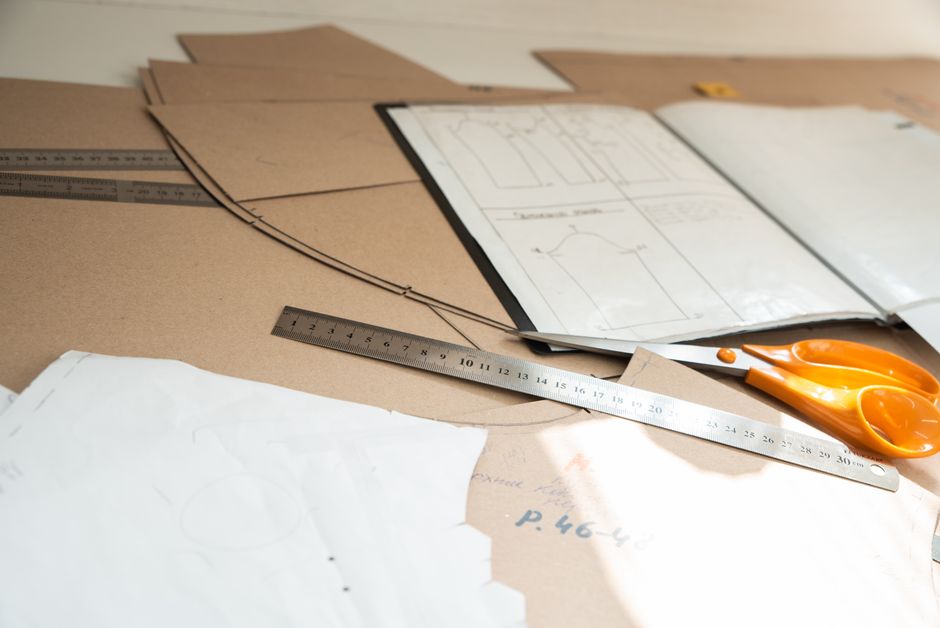
In sewing, fabric grain refers to the orientation of the yarns that make up a woven fabric. These yarns are interlaced at right angles, creating a grid-like structure. The direction in which these yarns run influences how the fabric behaves when cut, sewn, and worn. Understanding grain is fundamental to achieving garments that fit well and hang properly. Without a clear grasp of grain, even experienced sewists may encounter issues such as twisting seams or uneven hems.
When a pattern is placed on fabric, the orientation of each piece relative to the grain can significantly affect the final garment. The three primary grain types—lengthwise, crosswise, and bias—each contribute distinct characteristics. Lengthwise grain runs parallel to the selvage, crosswise grain runs perpendicular to it, and bias grain runs at a 45-degree angle to both. Each type offers different degrees of stretch and stability, which pattern designers and sewists must consider. Aligning pattern pieces correctly with the intended grain ensures that the garment behaves as designed.
This article explores the differences between these grain types and the consequences of misalignment. It also discusses how proper grain alignment can prevent twisting and improve drape. By understanding fabric grain, sewists can make informed decisions that enhance both the construction process and the wearing experience. Whether you are a beginner or an advanced sewist, grasping these concepts is essential for consistent results.
What Is Fabric Grain?
Fabric grain is determined by the two sets of yarns used to weave fabric. The warp yarns run lengthwise, parallel to the selvage, while the weft yarns run crosswise, from selvage to selvage. The selvage is the tightly woven edge that prevents fraying. The way these yarns interlace gives the fabric its stability and affects how it stretches. In woven fabrics, the lengthwise grain is the most stable, as warp yarns are typically stronger and have less give. Crosswise grain has slightly more stretch, while bias grain offers significant stretch and flexibility.
When a pattern piece is marked with a grainline, it indicates the direction in which the piece should be placed on the fabric. Most patterns include a grainline arrow that should be aligned parallel to the selvage or lengthwise grain. Aligning the grainline correctly ensures that the garment will hang as intended. If the grainline is not respected, the fabric may behave unpredictably, leading to twisting or distortion. In some cases, the garment may never hang straight, regardless of adjustments made during sewing.
Understanding grain also helps in choosing the right fabric for a project. Fabrics with a clear grain, such as cotton or linen, are easier to align than those with a less defined grain, like knits. However, many knits also have a grain, and ignoring it can lead to similar problems. Recognizing the grain of any fabric is a skill that improves with practice. It allows sewists to predict how the fabric will drape and whether it will stretch in certain directions.
Grain is the foundation of a well-fitting garment; ignoring it can undermine even the most careful stitching.
Types of Grain: Lengthwise, Crosswise, and Bias
The lengthwise grain, also known as the warp, runs parallel to the selvage. It is the most stable grain and has the least amount of stretch. When pattern pieces are cut on the lengthwise grain, the garment typically has a structured fit and minimal drape. This grain is often used for center front and center back panels, as well as for waistbands and facings that require stability. Because it resists stretching, lengthwise grain helps maintain the shape of the garment over time.
The crosswise grain, or weft, runs perpendicular to the selvage. It has a bit more stretch than the lengthwise grain, which can provide comfort in areas that need movement, such as across the bust or hips. Pattern pieces cut on the crosswise grain may drape differently than those on the lengthwise grain. In some designs, the crosswise grain is used intentionally to create a specific effect. However, it is generally less stable than the lengthwise grain, so it is used judiciously.
The bias grain runs at a 45-degree angle to the selvage. It has the most stretch and drape, making it ideal for garments that need to conform to curves, such as cowl necks or bias-cut dresses. Bias-cut garments can flow beautifully, but they require careful handling because the fabric can stretch out of shape during sewing. Stabilizing bias edges with stay tape or interfacing is a common practice. Each grain type offers unique properties, and the choice depends on the desired outcome for the garment.
Why Grain Alignment Matters
Aligning pattern pieces with the correct grain is crucial for several reasons. First, it ensures that the garment hangs correctly. If a pattern piece is cut off-grain, the fabric may twist or pull, causing the garment to hang unevenly. This is particularly noticeable in long seams, such as side seams on pants or skirts. Twisting can occur after washing, as the fabric relaxes and returns to its natural grain. Once a garment is cut off-grain, it is challenging to correct without recutting the piece.
Second, grain alignment affects the fit of the garment. Fabric behaves differently depending on the grain it is cut on. For example, a sleeve cut on the bias will stretch more than one cut on the lengthwise grain. This can affect how the sleeve fits and moves with the arm. Understanding these differences allows sewists to choose the appropriate grain for each pattern piece, based on the design and the fabric’s characteristics.
Third, proper grain alignment contributes to the overall durability of the garment. When fabric is cut on grain, the yarns are less likely to fray or distort over time. Seams are stronger because the fabric’s inherent stability is maintained. In contrast, off-grain cuts can lead to seams that pucker or fail under stress. Therefore, taking the time to align grain correctly during cutting is an investment in the longevity of the garment.
Preventing Twisting Through Grain Alignment
Twisting is a common issue that arises when fabric is cut off-grain. It often becomes apparent after the garment is washed or worn for some time. The fabric may rotate around the body, causing seams to shift from their intended position. This can be frustrating for both the maker and the wearer. To prevent twisting, it is essential to align the grainline accurately before cutting. This means ensuring that the pattern’s grainline arrow is parallel to the selvage or to the lengthwise grain of the fabric.
One method to check alignment is to use a ruler or measuring tape to measure from the grainline to the selvage at both ends of the pattern piece. The measurements should be equal. If they are not, the pattern is off-grain, and adjustments should be made before cutting. Another technique is to use a gridded cutting mat and align the selvage with a grid line. Then, position the pattern piece so that the grainline arrow aligns with the same grid line. This visual check can help prevent errors.
In addition to careful cutting, some fabrics are more prone to twisting than others. For instance, fabrics with a loose weave or those that are not perfectly balanced may twist even when cut on grain. In such cases, allowing the fabric to relax before cutting, or pre-washing it, can help minimize subsequent distortion. It is also helpful to handle the fabric gently and avoid stretching it during sewing. By taking these precautions, sewists can reduce the likelihood of twisting and achieve a better result.
How Grain Affects Drape and Garment Behavior
Drape refers to the way a fabric hangs or falls over the body. It is influenced by the fabric’s weight, stiffness, and grain. When a pattern piece is cut on the lengthwise grain, the garment tends to have a more structured drape, as the fabric is less likely to stretch. This can be desirable for tailored garments like jackets or trousers. On the other hand, bias-cut garments have a fluid, flowing drape because the bias grain allows the fabric to stretch and mold to the body’s curves.
The crosswise grain can produce a drape that is somewhere in between. It offers more give than the lengthwise grain but less than the bias. This makes it suitable for garments that need some movement without losing shape, such as skirts or dresses. Understanding how each grain affects drape allows designers and sewists to select the right orientation for each pattern piece. For example, a pattern may specify that the front bodice should be cut on the lengthwise grain to maintain structure, while the sleeves are cut on the crosswise grain to allow movement.
Moreover, the interaction between grain and fabric type cannot be overlooked. A lightweight silk cut on the bias will drape very differently from a heavy denim cut on the bias. Therefore, it is important to consider both the grain and the fabric’s inherent qualities when planning a project. Testing the fabric’s drape by cutting a small sample on different grains can provide valuable insight. This practice can help avoid surprises during the sewing process and ensure that the final garment meets expectations.
In conclusion, fabric grain is a fundamental concept in sewing that influences fit, drape, and durability. By understanding the differences between lengthwise, crosswise, and bias grain, sewists can make informed decisions about pattern placement and fabric handling. Aligning pattern pieces correctly prevents twisting and ensures that the garment hangs as intended. While the process may require extra attention during cutting, the results are worth the effort. Whether you are sewing a simple top or an intricate gown, respecting the grain is key to achieving a professional finish.